Renting devices out means identifying the same unit repeatedly
Resale ends the relationship with a device. Rental does not — the unit comes back, goes out again, and every dispute turns on which one it was.
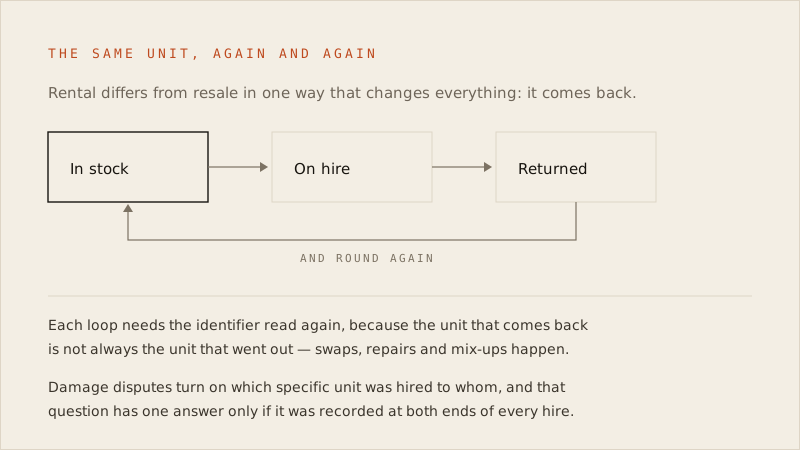
Selling a device ends your relationship with it. Renting one does not: the same unit goes out, comes back, and goes out again, sometimes dozens of times. That loop is what makes rental a different record-keeping problem from resale, rather than a variation on it.
Read it at both ends, every time
The temptation is to identify a unit once, when it enters the fleet, and thereafter track it by an internal reference. That works until something disrupts the assumption that the label and the hardware stay together.
Repairs disrupt it, because a repair process may return a different handset. Mix-ups disrupt it, because two similar devices on a counter are easy to swap. And a customer returning a different unit than they took disrupts it deliberately.
The four disputes
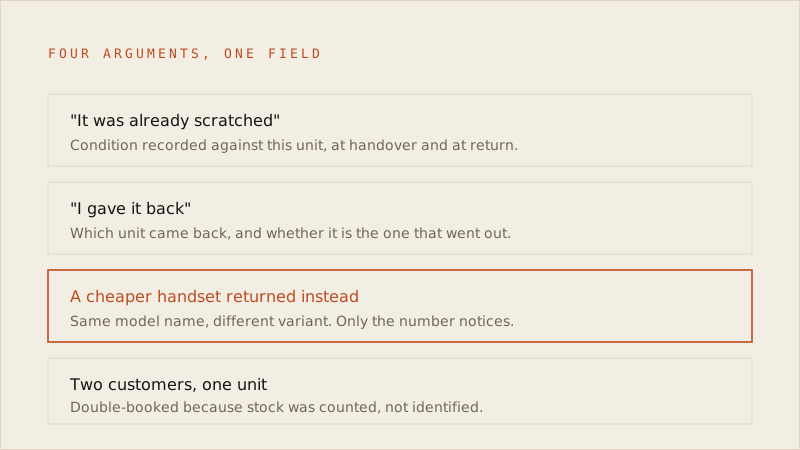
Damage attribution is the routine one. Condition recorded against this specific unit, at handover and at return, ends the conversation about whether a scratch was already there.
Non-return is the expensive one, and it needs the identifier for a different reason: to place a block. A device that was hired and never came back can be reported, and the report needs the number.
Substitution is the subtle one. A customer returns the same model with a lower-value variant — same name on the box, different device. Nothing about the exchange looks wrong to a person checking stock levels, and only the identifier notices.
Double allocation is the operational one: two customers promised the same unit, because the system counted stock rather than identifying it.
What the record adds beyond identity
Resolving the identifier also tells you the variant and the bands, which matters more in rental than in resale for one specific reason: your customers travel.
A handset rented to someone going abroad needs to work where they are going, and that is a question about the band list, not about the model name. A rental business that resolves its fleet knows which units are suitable for which destinations; one that tracks by model name is guessing, and finds out when the customer calls from another country.
The same field decides retirement. A unit whose bands no longer match the networks it is rented into is finished as rental stock, regardless of its physical condition — and knowing that before it is hired out again is the difference between a planned disposal and a refund.
Read next
Turn an IMEI into a device record.
Brand, model, code name, device type and radio bands, in one call. Tell us what you're building and we'll set you up with a key.