A dual-SIM phone has two IMEIs
One handset, two radios, two identities. Systems built on the assumption of one number per device produce duplicate records and miss blocks.
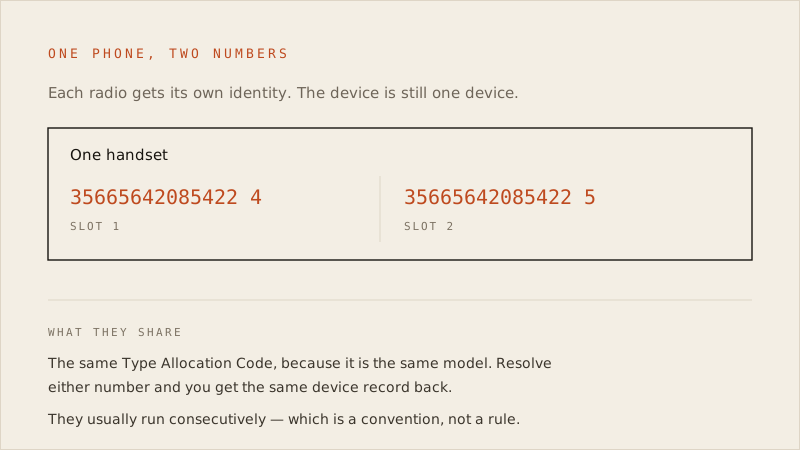
The IMEI identifies a radio, not a chassis. A phone with two radios therefore carries two IMEIs, and dialling *#06# on one returns both.
This surprises people because the mental model is one phone, one number. That model was accurate for a long time and has quietly stopped being so.
What the two numbers have in common
Both begin with the same Type Allocation Code, because the TAC identifies the model and the model is the same either way. Resolve either number and you get the same device record: same manufacturer, same model, same code name, same bands.
They usually run consecutively, differing in the last digits. That is a convention manufacturers tend to follow, not a rule you can rely on, and code that infers the second IMEI by adding one to the first will eventually be wrong.
Three ways it breaks a system
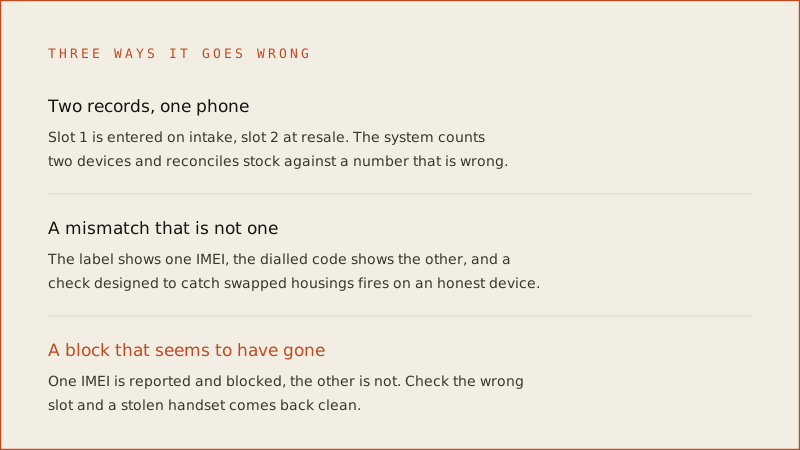
The first is duplication. A device enters stock under slot 1 and is sold under slot 2, so the system believes it handled two phones. Inventory reconciles against a count that is wrong, and nobody can find the second unit because it never existed.
The second is a false alarm. A check comparing the printed label against the dialled number — a good check, and the standard way to catch a swapped housing — fires on an honest device, because the label lists one IMEI and the person read out the other.
The third is the dangerous one. When a phone is reported stolen, the owner supplies whichever IMEI they had written down, and only that one gets blocked. Check the other slot and the device comes back clean.
What to do about it
- Capture both at intake. The device is in front of someone exactly once; asking later means asking a customer to find a phone they no longer have.
- Treat them as identifiers of one device, not two. One device record, a list of identifiers attached to it.
- Check blocking registries against every identifier you hold, not the first one in the row.
- When reporting a device stolen, give the operator both numbers. It costs nothing and closes the obvious gap.
The eSIM wrinkle
A phone with one physical SIM slot and one eSIM is also dual-SIM, and also carries two IMEIs. There is no tray to look at, so nothing about the hardware hints that a second identity exists — which makes this the version most likely to be missed by a process that was designed around visible slots.
The reliable move is to stop inferring how many identifiers a device has from what it looks like, and read what it reports instead.
Read next
Turn an IMEI into a device record.
Brand, model, code name, device type and radio bands, in one call. Tell us what you're building and we'll set you up with a key.